2023-06-02
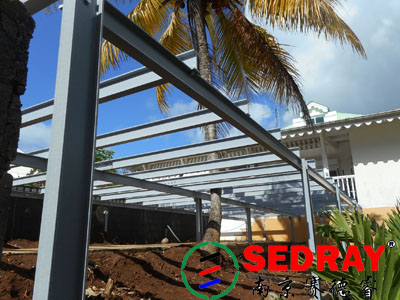
The vigorous development of the digital economy is related to the overall situation of our country's construction of a new national competitive advantage and determines whether our country can occupy a core position in the global strategic economy in the future. The development of the digital economy is inseparable from the data center, but the data center also faces the acute problems of huge ene...

2022-05-24
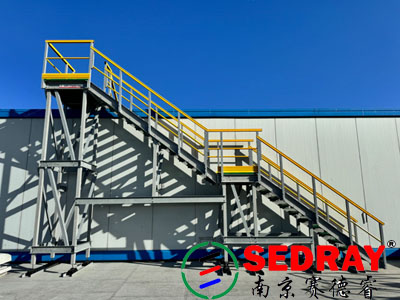
Human production and living activities require a large amount of energy as support, and the scarcity of traditional energy and conflicts in important global energy sources have further exacerbated the energy crisis. In addition to developing new energy, human beings also need to further reduce energy consumption. Compared with metal materials, glass FRP products The superior performance is its adv...
2022-09-07
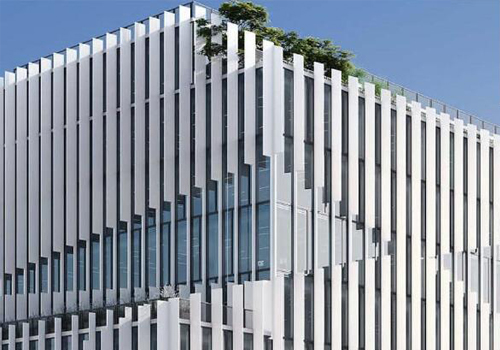
Since August, the northern hemisphere in the long time high temperature weather led to a serious of the multiple crises, including the energy crisis, so that the world's major economies urgently seeking to find more efficient way of energy saving in building energy efficiency, and fiberglass building products and fiberglass bolts which are important to the positive application of new materials, su...

2021-08-11
Fiberglass rebar can eliminate the risk of corrosion in concrete structures and improve sustainability, which meets the future new infrastructure requirements such as transportation, urbanization and extreme weather!
2023-04-10
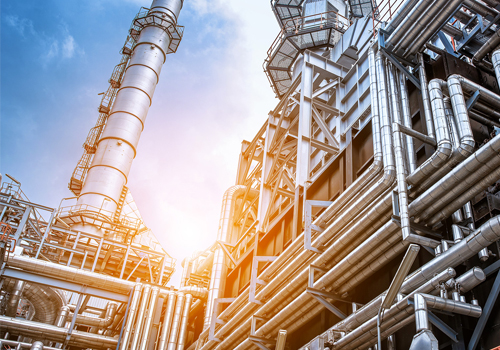
The petrochemical industry is an important pillar industry of the national economy. With the continuous rise of international oil prices and the continuous advancement of the goal of "carbon neutrality" in 2035, it is becoming more and more urgent for our country to accelerate the implementation of the "refining and chemical integration process". FRP building products and FRP c...
2026-03-12
In mid-September 2023, the plenary session of the UN Sustainable Development Goals Summit held at the UN Headquarters in New York adopted the Political Declaration on Accelerating the Achievement of the Sustainable Development Goals, reaffirming the commitment to the 2030 Agenda for Sustainable Development and marking a new phase in accelerating the achievement of the Sustainable Development Goals. The summit proposed promoting the implementation of 17 core goals (such as eradicating poverty, addressing climate change, and promoting gender equality) with the aim of achieving a greener, fairer, and safer future by 2030. Global collaborative efforts for sustainable development were further strengthened, and roadmap plans covering multiple areas were further implemented.
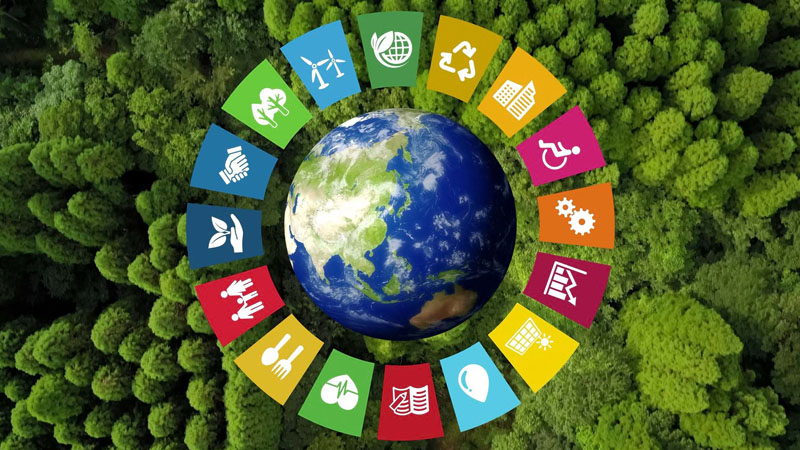
Sustainable Development Image source: Arcwatch
To further mitigate the significant impact of carbon dioxide emissions, which have been increasing on the world since the Industrial Revolution, on global production and daily life, the United Nations has set a core objective of achieving net-zero emissions by 2050 and limiting global warming to well below 1.5 degrees Celsius. The accelerating melting of glaciers at the North and South Poles, and the dramatic changes in ocean temperatures leading to severe weather phenomena such as El Niño and La Niña, are prompting major economies and countries worldwide to accelerate the development and implementation of various roadmaps and plans. From laws and regulations to the entire process of production and consumption, the carbon footprint of products is being increasingly rigorously tracked. Low-carbon societies and zero-carbon lifestyles are profoundly influencing human production and lifestyles.
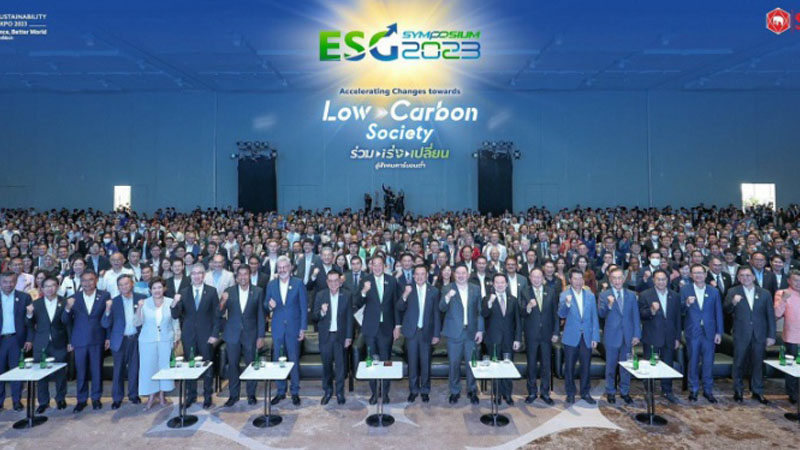
2023 Thailand ESG Conference Image source: netzero.vn
From January 1, 2026, the EU Carbon Border Adjustment Mechanism (CBAM) will officially come into effect, ending the transition period of more than two years (2023–2025). The EU will officially impose EU border taxes on imported products—cement, aluminum, fertilizers, steel, hydrogen, and electricity, especially steel, aluminum, and electricity—regarding greenhouse gas content. This will lead to a direct cost increase of approximately 6% to 8%. Furthermore, with the annual increase of this tax and the inclusion of nearly 180 CN Code-related composite metal products according to the latest regulatory expansion proposal, it will be implemented from January 1, 2028. Ultimately, corporate profits may suffer losses exceeding 20%, and end consumers may experience losses of over 30%!
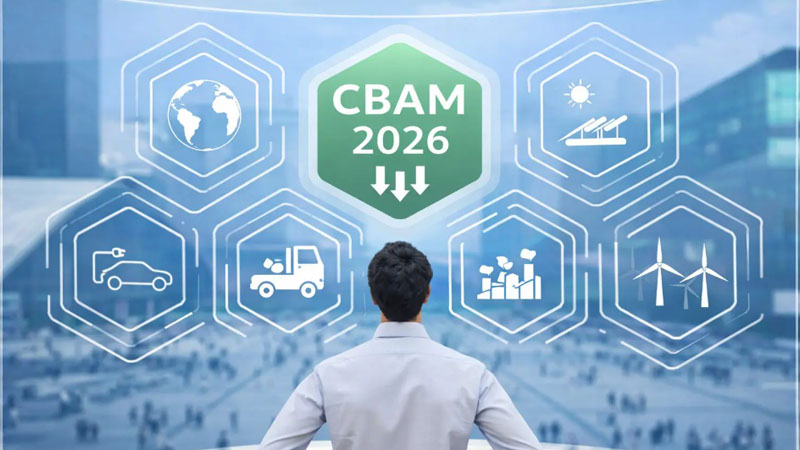
EU 2026 CABM Image source: ESG Platorm
Nanjing Sedray Industries Co., Ltd.,actively embodies the spirit of ESG, continuously updates its product innovation thinking, actively assumes corporate responsibility, and continuously improves the utilization of various new raw materials and advanced technologies. It has produced a series of low-carbon, energy-saving, and environmentally friendly FRP products, including Dragonbolt™ Composite Fasteners,Dragonbar™ FRP Reinforced System, Dragonpro™ Fiberglass Building Products, Dragonstrut™ Fiberglass Strut System (fiberglass framing system) , Dragonpower™ Cable Management System . It has deeply integrated and broadened the linkage between the upstream and downstream of the industrial chain, and deeply explored various application scenarios. It has applied these products to infrastructure such as bridges, tunnels, highways and railways, energy and chemical industries such as oil and gas, marine, maritime and island structural engineering, and special buildings, improving the prospects for sustainable development, extending the industry life cycle, reducing the impact of carbon footprint on the environment and humans, and continuously contributing to the construction of a low-carbon society and zero-carbon life.
Sedray's low-carbon, energy-saving, and environmentally friendly fiberglass products primarily utilize various high-performance reinforcing fibers, corrosion-resistant resins, and necessary additives. Advanced pultrusion molding and special processing techniques are employed to produce the basic products, which are then further processed using AI-powered high-end intelligent equipment to meet the specific professional requirements of customers. Compared to traditional materials (steel, aluminum, stainless steel, plastic, wood), these products offer significant advantages:
1. In line with sustainable development trends and environmental policies and regulations
Significantly reduces carbon dioxide emissions, aligning with sustainable development trends and CABM regulations;
2. Low Thermal Conductivity and Coefficient of Thermal Expansion
The thermal conductivity of FRP products is 0.487 W/(m.k), approximately 1/100 that of metal (50-415 W/(m.k)). This significantly reduces heat absorption and deformation in the summer, significantly minimizing the impact of heat and reducing the risk of injuries.
3. Low VOCs content
Using new environmentally friendly materials, the content of volatile organic compounds is very low, which is friendly to the environment and people;
4. Excellent Corrosion Resistance
FRP/GFRP products will never corrode, rust or lead to concrete spalling in the concrete structure;
5. High Chemical Resistance
Wastewater treatment, water treatment and desalination plants exposed to chemicals, water or high salt content of the environment, FRP/GFRP products can be very good resistance to the corrosion of the harsh environment;
6. Longer Service Life
Compared to the service life of metal materials—which typically ranges from only 10 to 20 years—FRP products can last for 50 to 100 years, consequently, this significantly reduces long-term maintenance and upgrade costs;
7. Light Weight and High Strength
FRP/GRP products have a density that is only 1/4 that of metal materials. In modern times, with high labor costs and oil prices, this can greatly reduce labor costs and transportation expenses;
8. Low Moisture Absorption
Unlike many plastics, the moisture absorption of FRP products is very low, even if it is soaked in water for a long time, there will be no obvious size change or mechanical property loss.